


The Amazing Customs of Leil HaSeder
הרב שי טחןיא ניסן, תשפו29/03/2026Yet within that unity lies a beautiful diversity—each community bringing its own color and life to the Seder through unique and meaningful customs and traditions
תגיות:ליל הסדרמנהגיםפסח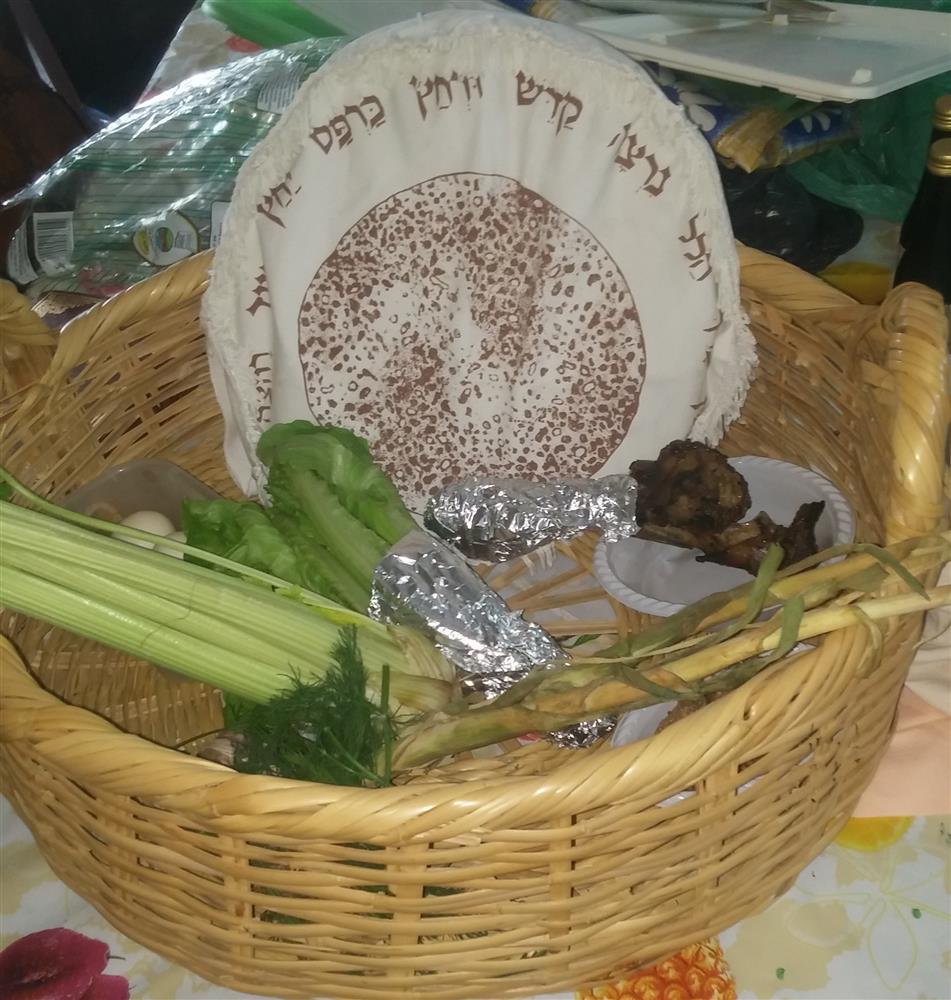
Leil HaSeder stands at the heart of the Pesach experience. Around the world, Jewish families gather at their tables, united by the same Haggadah, the same matzah, and the same story of redemption. Yet within that unity lies a beautiful diversity—each community bringing its own color and life to the Seder through unique and meaningful customs.
Among Persian Jews, the Seder takes on a lively and memorable tone. When reaching the section describing what life would have been like had Hashem not redeemed us, the room fills with the song of Ma Nishtana—and with it, a playful reenactment. Bunches of scallions are passed around, and participants gently “strike” one another, symbolizing the harsh whips of the Egyptian taskmasters.
Moroccan Jews elevate the symbolism in a different way. The Seder plate is lifted and passed over each participant’s head, reminiscent of the Kaparot ritual, as if each person is personally being carried through the experience of redemption.
In Tunisian communities, the connection to Yetziat Mitzrayim extends even beyond the table. A portion of charoset is set aside, and at the end of the Seder, it is placed near the mezuzah on the doorpost—evoking the blood that marked the Jewish homes on the night of the Exodus.
Yemenite Jews highlight the role of children with special warmth. The Ma Nishtana is recited in the traditional Yemeni dialect, and those who perform particularly well are rewarded—often with a simple but cherished prize, such as a boiled egg.
Among Iraqi Jews, the Afikoman becomes a mission of responsibility. One child is appointed as its guardian and warned that failure to protect it will result in a “fine.” If they succeed, however, they are rewarded handsomely—turning the experience into both a game and a lesson in accountability.
Bukharian Jews share a similar custom, but with a playful twist. If a child manages to steal the Afikoman, the head of the household “punishes” them with light, humorous taps using a towel—until a deal is struck and the Afikoman is returned, usually in exchange for a prize.
Syrian Jews bring the Exodus to life in a deeply symbolic reenactment. After breaking the Afikoman, it is placed in a cloth bag, and each participant takes a turn reliving the journey. With the bag over their shoulder, they declare that it represents the burden carried by their ancestors. Asked where they are coming from, they answer, “From Mitzrayim.” Then, shifting the bag to the other shoulder, they respond to the next question—“Where are you going?”—with a hopeful declaration: “To Yerushalayim!” The entire table joins together in calling out, “Next year in Yerushalayim!”
Many Ashkenazim wear a kittel—a white robe—to enhance the sense of joy and to symbolize freedom.
These customs transform the Seder from a recounting of history into a living, breathing experience—one that engages, inspires, and connects each generation to the story of our people.
May we merit very soon to celebrate together in Yerushalayim, b’ezrat Hashem.
Among Persian Jews, the Seder takes on a lively and memorable tone. When reaching the section describing what life would have been like had Hashem not redeemed us, the room fills with the
Moroccan Jews elevate the symbolism in a different way. The Seder plate is lifted and passed over each participant’s head, reminiscent of the Kaparot ritual, as if each person is personally being carried through the experience of redemption.
In Tunisian communities, the connection to Yetziat Mitzrayim extends even beyond the table. A portion of charoset is set aside, and at the end of the Seder, it is placed near the mezuzah on the doorpost—evoking the blood that marked the Jewish homes on the night of the Exodus.
Yemenite Jews highlight the role of children with special warmth. The Ma Nishtana is recited in the traditional Yemeni dialect, and those who perform particularly well are rewarded—often with a simple but cherished prize, such as a boiled egg.
Among Iraqi Jews, the Afikoman becomes a mission of responsibility. One child is appointed as its guardian and warned that failure to protect it will result in a “fine.” If they succeed, however, they are rewarded handsomely—turning the experience into both a game and a lesson in accountability.
Bukharian Jews share a similar custom, but with a playful twist. If a child manages to steal the Afikoman, the head of the household “punishes” them with light, humorous taps using a towel—until a deal is struck and the Afikoman is returned, usually in exchange for a prize.
Syrian Jews bring the Exodus to life in a deeply symbolic reenactment. After breaking the Afikoman, it is placed in a cloth bag, and each participant takes a turn reliving the journey. With the bag over their shoulder, they declare that it represents the burden carried by their ancestors. Asked where they are coming from, they answer, “From Mitzrayim.” Then, shifting the bag to the other shoulder, they respond to the next question—“Where are you going?”—with a hopeful declaration: “To Yerushalayim!” The entire table joins together in calling out, “Next year in Yerushalayim!”
Many Ashkenazim wear a kittel—a white robe—to enhance the sense of joy and to symbolize freedom.
These customs transform the Seder from a recounting of history into a living, breathing experience—one that engages, inspires, and connects each generation to the story of our people.
May we merit very soon to celebrate together in Yerushalayim, b’ezrat Hashem.

הוסף תגובה
עוד מהרב שי טחן
עוד בנושא חגים וזמנים