


Women of the Wall" through the Lens of Halacha"
הרב שי טחןיב אדר, תשפו01/03/2026In this article, we will not attempt to justify "Women Of Wall" provocative intentions, which are clearly objectionable for many reasons
תגיות:נשות הכותלירושליםהלכה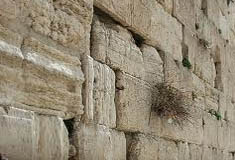
Last week, the Israeli Supreme Court issued a forceful order requiring the state to advance long-stalled plans for a permanent egalitarian prayer area at the Kotel- the Western Wall, intensifying a decades-long legal and religious struggle over who defines the character of Judaism’s holiest accessible site. The ruling has already triggered political backlash and renewed legislative efforts aimed at limiting judicial influence over religious arrangements there.
At the center of this ongoing dispute stands Women of the Wall, founded in 1988 to advocate for women’s right to pray according to reform custom at the site. Their practices—such as praying aloud, wearing Takit and tefillin, and reading from a Torah scroll—have sparked fierce debate. Supporters view them as champions of religious freedom and pluralism, while critics see their efforts as a challenge to longstanding tradition. Over the years, their petitions have driven court rulings, government negotiations, and policy shifts, making them one of the most influential actors in the continuing struggle over prayer rights at the Kotel.
In this article, we will not attempt to justify their provocative intentions, which are clearly objectionable for many reasons: their aim to challenge established customs, their willingness to contradict leading rabbinic authorities across the board, and the pain this causes many within Klal Yisrael who feel they are defying the sanctity of the holy site, among other concerns. Rather, our focus will be on the core of the halachic debate—namely, whether women are permitted, from a halachic standpoint, to perform the mitzvot in question.
Tefilin
Are women obligated or permitted to wear tefillin? Women are not obligated, since this mitzvah is time-bound, as it does not apply on Shabbat or Yom Tov. Although one might argue that they should be permitted to perform it voluntarily, the Rema writes(Siman 38, 3) that women should not wear tefillin, and many poskim add that if a woman wishes to put on tefillin, she should be discouraged.
Although the Gemara relates (Eruvin 96) that Michal, the daughter of King Shaul, wore tefillin, many commentators explain that her conduct was not accepted as proper practice.
Tsitsit
Tzitzit, too, is a time-bound mitzvah, since it does not apply at night. On the other hand, a woman who wishes may technically wear it; nevertheless, the Rema writes (Siman 17) that she should not, as it is considered a form of yuhara (spiritual arrogance). Moreover, according to Kabbalistic teachings, this mitzvah is associated specifically with men, and women are understood not to be included within its domain (Rav Pealim in the name of the Ari).
The Targum (Yonatan ben Uziel) writes that women who wear tefillin or tzitzit violate the prohibition of “do not wear men’s clothing.”
Aliyah for the Torah
A woman should also not be called up to the Torah for an aliyah. As Chazal state, the Baraita in the Gemara (Megillah 23a) says:
"Everyone is counted among the seven, even a minor and even a woman; but the Sages said: a woman should not be called to read from the Torah, because of the dignity of the congregation."
We see that the Chachamim placed a restriction on women going up to the Torah. Regarding the beginning of the Baraita, which appears to permit a woman, the Meiri holds that the possibility of a woman being called up did exist in principle, but only in the time of the Mishnah, when only the first and last person in the reading would recite the blessing over the Torah. In that case, a woman could ascend in the middle of the reading without reciting a blessing. After the Chachamim instituted that every person called up must recite their own blessing, it is no longer permissible for a woman to be called, since she is not obligated in the reading and cannot properly recite the blessing. Another opinion among the Rishonim, the Maharam from Rotenburg, explains that the Baraita’s allowance refers only to situations when no men are available; if men are present, the end of the Baraita clearly rules that a woman is not permitted to be called up. The same idea is also expressed by the Yaavetz.
Minyan
Women cannot form a minyan, nor can a woman complete a minyan if there are nine men. The reason is that the concept of a davar she-bikdushah is derived from the verse “ונקדשתי בתוך בני ישראל,” which Chazal connect to the episode of the spies sent to scout the Land of Israel—who were ten men, not women.
kippah
Some of these women wear a kippah— a yarmulke—strange as it may sound. Wearing a kippah would likewise violate the prohibition of “do not wear men’s clothing.”
Avoiding disputes and division
An additional prohibition is acting differently from the community, known as the prohibition of “lo titgodedu.” Its meaning is that one should not follow practices that differ from those of the rest of the local community or congregation, in order to prevent division, dispute, or the impression of “two Torahs.” This principle requires maintaining uniformity in public, halachic, and communal practices, especially in matters between the individual and the community.
Final words
In conclusion, we wish to state the obvious: these women do not operate within the framework of halacha, and the halachot we have discussed are not addressed to them. The purpose is for us—to understand what is halachically wrong and why it is wrong. This is aside from the fact that their actions appear intended to provoke those who regard the Kotel and the sanctity of halacha as sacred and deeply significant.
At the center of this ongoing dispute stands Women of the Wall, founded in 1988 to advocate for women’s right to pray according to reform custom at the site. Their practices—such as praying aloud, wearing Takit and tefillin, and reading from a Torah scroll—have sparked fierce debate. Supporters view them as champions of religious freedom and pluralism, while critics see their efforts as a challenge to longstanding tradition. Over the years, their petitions have driven court rulings, government negotiations, and policy shifts, making them one of the most influential actors in the continuing struggle over prayer rights at the Kotel.
In this article, we will not attempt to justify their provocative intentions, which are clearly objectionable for many reasons: their aim to challenge established customs, their willingness to contradict leading rabbinic authorities across the board, and the pain this causes many within Klal Yisrael who feel they are defying the sanctity of the holy site, among other concerns. Rather, our focus will be on the core of the halachic debate—namely, whether women are permitted, from a halachic standpoint, to perform the mitzvot in question.
Tefilin
Are women obligated or permitted to wear tefillin? Women are not obligated, since this mitzvah is time-bound, as it does not apply on Shabbat or Yom Tov. Although one might argue that they should be permitted to perform it voluntarily, the Rema writes(Siman 38, 3) that women should not wear tefillin, and many poskim add that if a woman wishes to put on tefillin, she should be discouraged.
Although the Gemara relates (Eruvin 96) that Michal, the daughter of King Shaul, wore tefillin, many commentators explain that her conduct was not accepted as proper practice.
Tsitsit
Tzitzit, too, is a time-bound mitzvah, since it does not apply at night. On the other hand, a woman who wishes may technically wear it; nevertheless, the Rema writes (Siman 17) that she should not, as it is considered a form of yuhara (spiritual arrogance). Moreover, according to Kabbalistic teachings, this mitzvah is associated specifically with men, and women are understood not to be included within its domain (Rav Pealim in the name of the Ari).
The Targum (Yonatan ben Uziel) writes that women who wear tefillin or tzitzit violate the prohibition of “do not wear men’s clothing.”
Aliyah for the Torah
A woman should also not be called up to the Torah for an aliyah. As Chazal state, the Baraita in the Gemara (Megillah 23a) says:
"Everyone is counted among the seven, even a minor and even a woman; but the Sages said: a woman should not be called to read from the Torah, because of the dignity of the congregation."
We see that the Chachamim placed a restriction on women going up to the Torah. Regarding the beginning of the Baraita, which appears to permit a woman, the Meiri holds that the possibility of a woman being called up did exist in principle, but only in the time of the Mishnah, when only the first and last person in the reading would recite the blessing over the Torah. In that case, a woman could ascend in the middle of the reading without reciting a blessing. After the Chachamim instituted that every person called up must recite their own blessing, it is no longer permissible for a woman to be called, since she is not obligated in the reading and cannot properly recite the blessing. Another opinion among the Rishonim, the Maharam from Rotenburg, explains that the Baraita’s allowance refers only to situations when no men are available; if men are present, the end of the Baraita clearly rules that a woman is not permitted to be called up. The same idea is also expressed by the Yaavetz.
Minyan
Women cannot form a minyan, nor can a woman complete a minyan if there are nine men. The reason is that the concept of a davar she-bikdushah is derived from the verse “ונקדשתי בתוך בני ישראל,” which Chazal connect to the episode of the spies sent to scout the Land of Israel—who were ten men, not women.
kippah
Some of these women wear a kippah— a yarmulke—strange as it may sound. Wearing a kippah would likewise violate the prohibition of “do not wear men’s clothing.”
Avoiding disputes and division
An additional prohibition is acting differently from the community, known as the prohibition of “lo titgodedu.” Its meaning is that one should not follow practices that differ from those of the rest of the local community or congregation, in order to prevent division, dispute, or the impression of “two Torahs.” This principle requires maintaining uniformity in public, halachic, and communal practices, especially in matters between the individual and the community.
Final words
In conclusion, we wish to state the obvious: these women do not operate within the framework of halacha, and the halachot we have discussed are not addressed to them. The purpose is for us—to understand what is halachically wrong and why it is wrong. This is aside from the fact that their actions appear intended to provoke those who regard the Kotel and the sanctity of halacha as sacred and deeply significant.



הוסף תגובה
עוד מהרב שי טחן
עוד בנושא הלכה